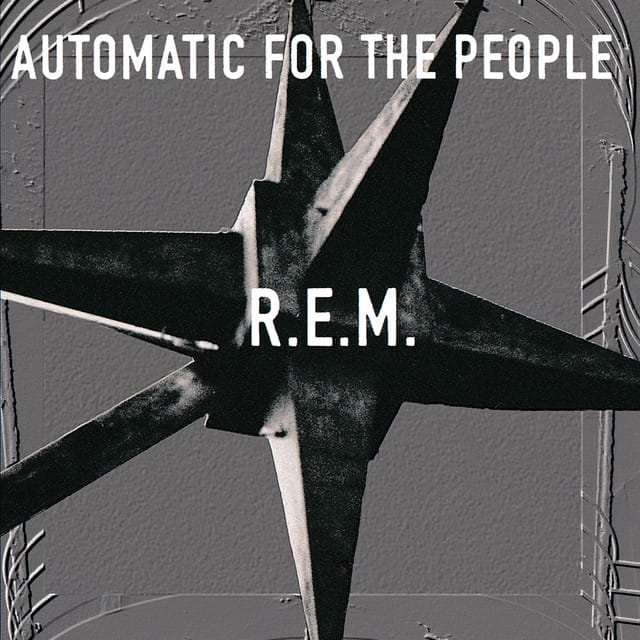

R.E.M., formed in 1980 in Athens, Georgia, is often credited with helping to shape the alternative rock landscape. The band’s unique sound, characterized by Michael Stipe’s distinctive vocals and cryptic lyrics, combined jangly guitars and a driving rhythm section that became a blueprint for countless bands that followed. Their early work, particularly albums like “Murmur” and “Reckoning,” showcased a blend of folk and punk influences, creating a sound that felt both fresh and timeless. It was this fusion that earned them a dedicated following, drawing fans who appreciated their introspective lyrics and innovative music.
One of the intriguing aspects of R.E.M. is how their songwriting often invites multiple interpretations. Michael Stipe has been known to weave together abstract imagery and personal reflections, leaving listeners to ponder the meanings behind tracks like “Losing My Religion” and “What’s the Frequency, Kenneth?” This ambiguity not only engages fans but also allows the songs to resonate on different levels over time. As societal contexts shift, so too do the interpretations of their lyrics, making R.E.M.’s music relevant across generations.
In the 1990s, R.E.M. achieved mainstream success with albums such as “Out of Time” and “Automatic for the People.” These records featured anthems that dominated the airwaves while maintaining the band’s artistic integrity. Tracks like “Everybody Hurts” became rallying cries for those feeling marginalized or lost. The band skillfully balanced commercial appeal with poignant messages, allowing them to reach audiences far beyond their initial indie roots. This ability to connect with listeners emotionally while exploring heavy themes set them apart in an era often dominated by superficial pop.
R.E.M.’s influence extends beyond their music; they were also pioneers in promoting social and political causes. The band used their platform to advocate for various issues, from environmentalism to LGBTQ+ rights. Their commitment to activism is evident in their support for organizations like Amnesty International and participation in benefit concerts. This dedication not only solidified their status as cultural icons but also inspired fans to engage with important social issues, showcasing the power of music as a catalyst for change.
After disbanding in 2011, R.E.M. left behind a rich legacy that continues to inspire new artists. Their willingness to experiment with sound and push creative boundaries paved the way for the next generation of musicians exploring alternative rock. Every note from their discography serves as a reminder of their artistic journey, leaving an indelible mark on the history of modern music. As fans continue to discover and rediscover their work, R.E.M.’s contribution to the musical landscape remains as significant as ever.