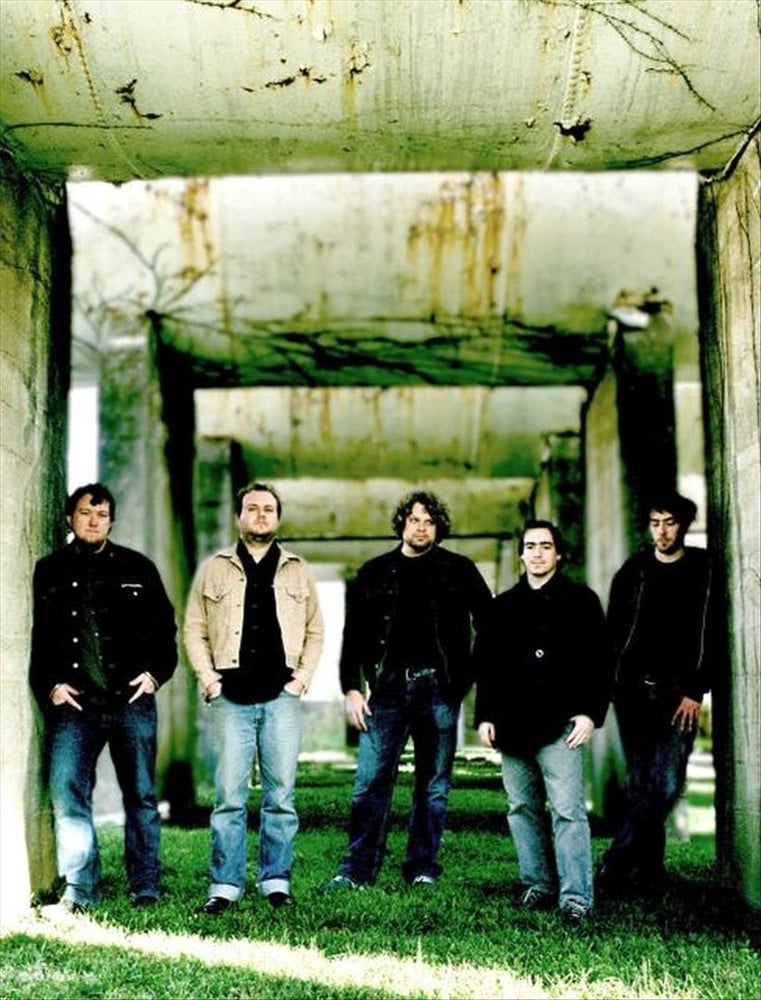

Mock Orange formed in Evansville, Indiana, in the mid-1990s, and their music has always carried traces of that Midwestern starting point: melodic, unshowy and more interested in carefully shaped songs than in scene posturing. The group came together around singer and guitarist Ryan Grisham, guitarist Joe Asher, bassist Heath Metzger and drummer Matt Duncan, with the line-up changing over the years. Their early records placed them near the broad emo and indie-rock conversation, though Mock Orange were never easily reduced to either category.
Their strongest influences are heard less in direct imitation than in their sense of arrangement. The band’s ringing guitars and vocal harmonies recall the expansive side of American alternative rock, while their rhythmic detail and occasional instrumental turns point towards post-rock and progressive indie. Mock Orange’s songs often begin with the plainspoken clarity of guitar-pop before opening into layered, carefully paced passages. That balance helped distinguish albums such as The Record Play and Nines & Sixes from more formulaic emo releases of the period.
The band’s history is also tied to Japan, where they developed a particularly loyal following and spent substantial time touring. That connection became more than a touring footnote: the Japanese audience’s enthusiasm helped sustain Mock Orange during periods when their profile in the United States was comparatively modest. Their career illustrates an often overlooked route through independent music—an American band finding a durable audience abroad through persistent touring, word of mouth and records that rewarded repeated listening.
Mock Orange have been associated with bands including Jimmy Eat World, The Anniversary and The Get Up Kids through tours, festival appearances and the shared infrastructure of late-1990s and early-2000s independent rock. There is less reliable evidence for a long list of major artists explicitly naming Mock Orange as a primary influence, so claims that they directly shaped better-known bands should be treated cautiously. Their influence is easier to identify indirectly, in the continued appeal of guitar music that values melody, musicianship and emotional restraint without abandoning ambition.
A notable part of Mock Orange’s story is the contrast between the scale of their music and the low-key nature of their public profile. They could write songs with broad, almost cinematic guitar movement, yet remained a working band built around touring rather than celebrity. Even their reputation has tended to travel through recommendations—one listener passing along a record to another—rather than through a single famous breakthrough. That makes Mock Orange an instructive example of how a band can maintain a distinctive voice and a committed audience without becoming a household name.