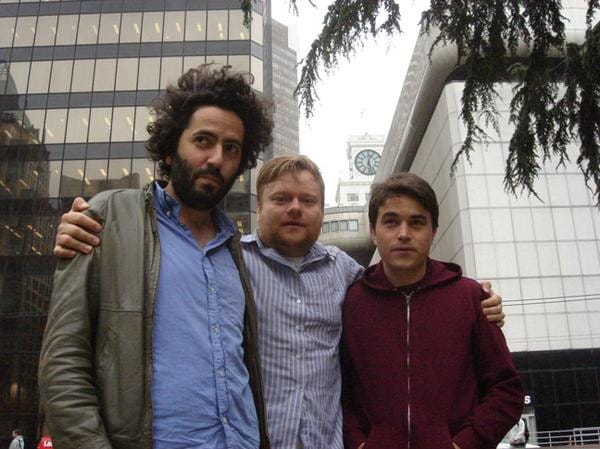
Swan Lake is not a band but rather a celebrated ballet composed by Pyotr Ilyich Tchaikovsky in the late 19th century, first premiering in 1877. However, the name Swan Lake has been adopted by various musical acts, including an indie supergroup formed in 2006, consisting of members from Canadian bands like The New Pornographers, Destroyer, and Frog Eyes. This Swan Lake is notable for blending the distinctive styles of its members, resulting in a sound that is both eclectic and deeply expressive, rooted in indie rock but often venturing into experimental territory.
The Canadian indie supergroup Swan Lake draws heavily on the diverse influences of its members, who each bring a unique musical background to the project. Carey Mercer from Frog Eyes injects a raw, poetic lyricism and a penchant for theatricality, while Dan Bejar of Destroyer adds a layer of sophisticated, often cryptic songwriting. Spencer Krug from Wolf Parade and Sunset Rubdown contributes a dynamic vocal range and complex arrangements. Together, their influences span from classic rock and folk to avant-garde and post-punk, creating a rich tapestry of sound that challenges conventional indie music norms.
Swan Lake’s impact, while somewhat niche, has been acknowledged within the Canadian indie scene as a compelling collaboration that pushed the boundaries of their respective bands’ sounds. Although not a mainstream commercial success, the project has been cited by emerging Canadian indie artists as a significant example of creative synergy and fearless experimentation. The supergroup’s work is often praised for its lyrical depth and the way it captures the essence of each member’s artistic identity without diluting it.
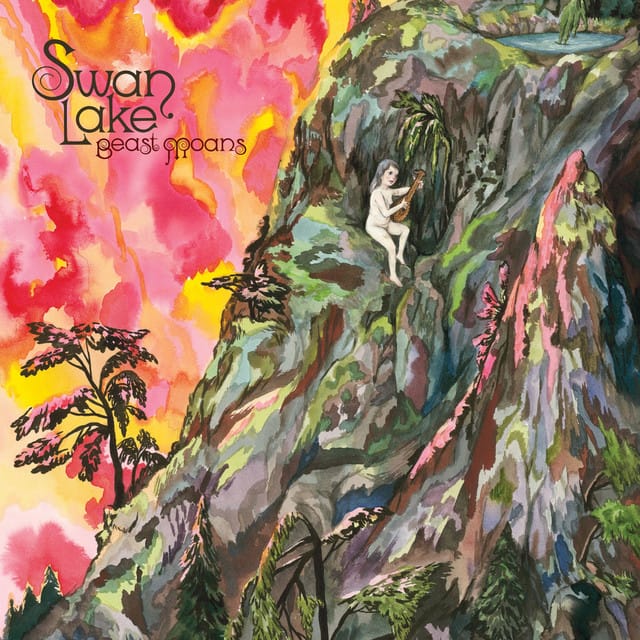
One of the more famous anecdotes about Swan Lake involves the recording process of their debut album, “Beast Moans.” The sessions were marked by an intense creative exchange, with the members reportedly locking themselves away in a remote studio to focus entirely on the music. This isolation fostered a unique environment where spontaneous ideas flourished, and the resulting album is often described as a raw, emotionally charged piece that defies easy categorisation. The band’s name, ironically taken from a classical ballet, contrasts sharply with their modern, experimental sound, highlighting their playful approach to music-making.
While Swan Lake may not have the widespread recognition of their individual bands, their collaborative work stands as a testament to the strength of Canadian indie music in the early 2000s. Their fusion of distinct voices and styles has inspired other musicians to explore side projects and collaborations outside their primary bands. This spirit of artistic exploration continues to shape the indie music landscape, making Swan Lake a quietly influential chapter in Canadian music history.