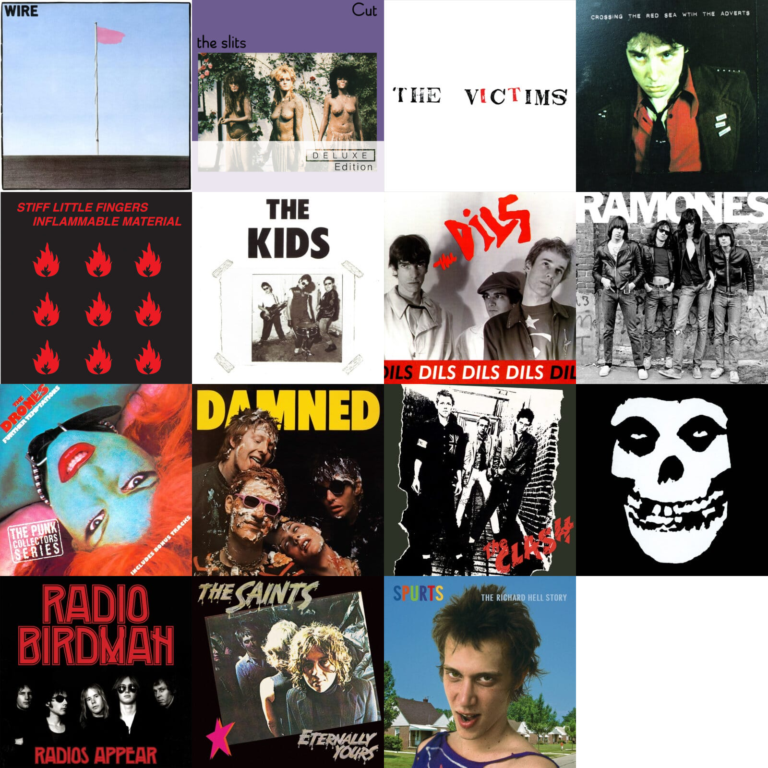
SF0213 Manchester (Part One) 1978-83

Part one of a two-part series surveying the legendary Manchester scene. This episode puts the post-punk era under the miscoscope.
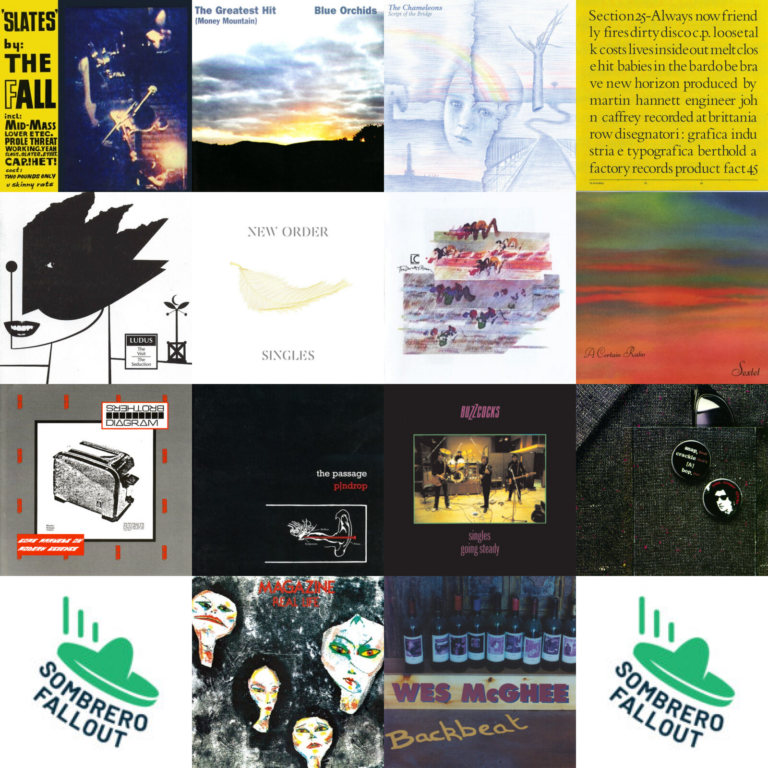
A reasonable question to start is why has the musical scene in Manchester consistently been so vibrant.
Most obviously, size. What actually constitutes Manchester is an elastic concept. Off the top of my head, and not being a Mancunian, I would struggle to determine whether outlying locations such as Oldham, Bury and Salford count as Manchester or not. However, if we do include them, then the Greater Manchester area constitutes the second biggest urban mass outside of London. Therefore, in the same way that Germany and Brazil win more World Cups than anybody else because of their bigger populations, London and Manchester have produced more bands than anybody else.
If you talk to business folk, they often bring up the concept of First Mover Advantage in a market. Somewhat less discussed is First Mover Disadvantage. That was the case with Manchester. Because they were the first country in the world to fully industrialise, they found themselves at a disadvantage at the end of the Second World War. The machines, the factories and the infrastructure which had served them well since the start of the preceding century were no longer fit for purpose in a world rapidly globalising. This led to a disaffected youth often without jobs, roaming the streets and causing trouble. Some though put their disaffection into music. It’s an ill wind.
And then, Manchester is an inland city. Unlike its near neighbour Liverpool, its first instinct is not to look outside the city for its influences but within its borders. The Beatles listened to the early rock’n’roll records and started to imitate them because they had easier access to them from the Mersey docks. But bands like The Fall and Joy Division were more internally focused, the latter especially. This has led to a fierce sense of identity, as a Mancunian. You get it with other communities who feel distanced – Australia, for example. The post-punk Manchester bands and the Madchester scene characterise the bands within it in a way in which London bands do not. There might be a Windmill Scene or a band called E17 or a Camden Town clique, but Manchester bands tend to be thought of as ‘Manchester bands’.
Paradoxically however, within the city itself there is a fierce postcode rivalry. Mark E Smith defined himself quite narrowly as distinct from someone like Tony Wilson on the other side of the river. He is a man of Prestwich and one of his finest songs reiterates he is not from Bury. One of the reasons Manchester bands succeed is through fierce local jostling. In fact, three rivers run through Manchester and indeed Salford regards itself as quite distinct from Manchester. If you had any doubt about this, check out Tony Wilson’s introduction of Joy Division on his TV show when he makes this explicit point.
Above and beyond, the Fall, Joy Division, The Durutti Column and The Smiths along with many other wonderful artists in their heyday have given me more musical listening pleasure per capita than any other city. We’re overdue two Manchester episodes. Here’s the first. I hope you enjoy it.
Tracklisting (15 songs)
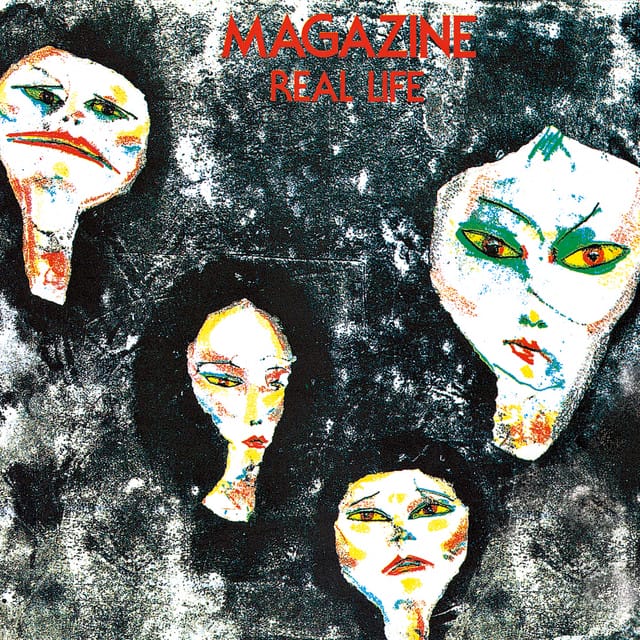
The light pours out of me
- Band/Artist:
- Magazine
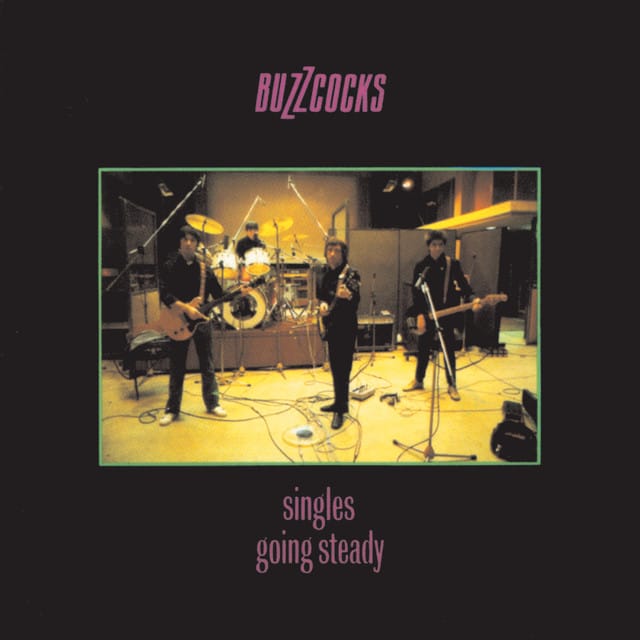
Everybody’s happy nowadays
- Band/Artist:
- Buzzcocks
16 hours
- Band/Artist:
- The Passage
My cherry is in the sherry
- Band/Artist:
- Ludus
Bricks
- Band/Artist:
- Diagram Brothers
Evidentally Chickentown
- Band/Artist:
- John Cooper Clarke
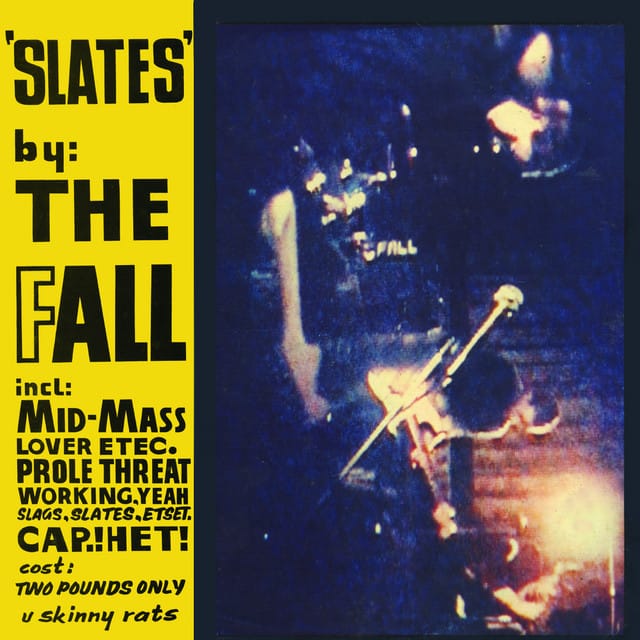
Fit and working again
- Band/Artist:
- The Fall
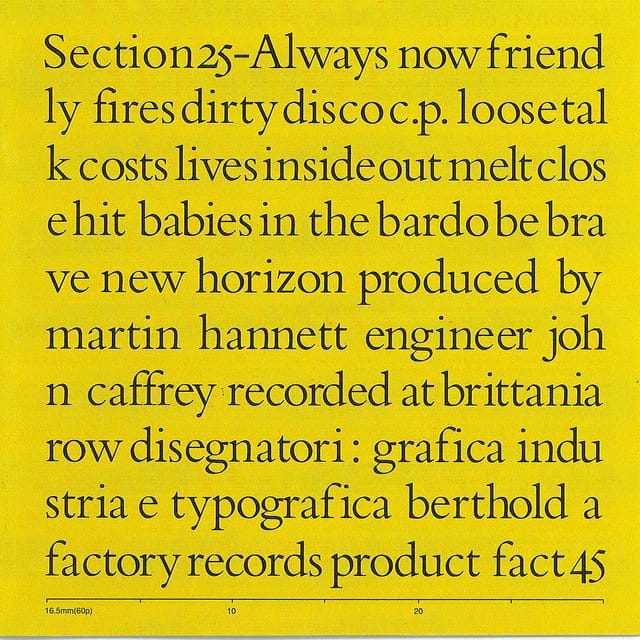
Friendly fires
- Band/Artist:
- Section 25

Everythings gone green
- Band/Artist:
- New Order
Lucinda
- Band/Artist:
- A Certain Ratio
Jacqueline
- Band/Artist:
- The Durutti Column
Bad Education
- Band/Artist:
- Blue Orchid
Working and shopping
- Band/Artist:
- Tools You Can Trust
Up the down escalator
- Band/Artist:
- The Chameleons