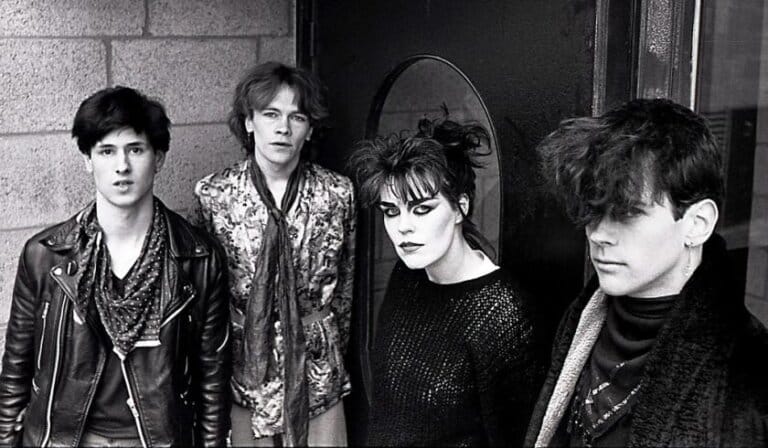

Lloyd Cole and the Commotions formed in Glasgow in 1982, a city then humming with post-punk energy and literate ambition. Fronted by the quietly erudite Lloyd Cole, the band combined jangly guitar pop with lyrics threaded through with literary references and aching urban observation — a tone that felt both cosmopolitan and distinctly Northern British. Their members — Neil Clark (guitar), Lawrence Donegan (bass), Blair Cowan (keyboards) and Stephen Irvine (drums) — brought a tightness and melodic sensitivity that helped the group stand apart from more strident contemporaries on the UK indie scene.
Their sound pulled explicitly from 1960s melodicism and the crisp songcraft of British pop, but the band wore those influences in a modern, slightly world-weary way. You can hear the echoes of Velvet Underground minimalism and the conversational literate approach of Bob Dylan in Cole’s delivery, alongside nods to Manchester and Glasgow’s own post-punk acquaintances. Cole’s lyrics often name-check authors and cultural touchstones — he made pop feel like a late-night book group — and that cultivated intelligence became part of their signature rather than a put-on affectation.
Lloyd Cole and the Commotions’ debut, Rattlesnakes (1984), remains the clearest statement of their talents: crisply produced, melancholic and clever without tipping into irony for irony’s sake. The album’s title track and songs like “Perfect Skin” are compact, beautifully arranged slices of pop that also function as miniature short stories. The band toured widely across the UK and Europe, earning a dedicated following among listeners who wanted pop music with both craft and angle; their thoughtful, literate approach made them favourites on college radio and among critics who valued songwriting over flash.
A famous anecdote that follows the band involves the blurry intersection of literature and rock star glamour: after the success of Rattlesnakes, Lloyd Cole became something of a mascot for arty young men who liked their music accompanied by a paperback. That image fed both affection and gentle parody — he was grilled on TV about whether he put books on stage to look intellectual, to which Cole’s wryness suggested he was as amused by the stereotype as anyone. Another telling postscript: Lawrence Donegan left music to become a respected journalist and author, which felt fittingly on-brand for a group whose members always seemed comfortable outside rock-star cliché.
Influence-wise, Lloyd Cole and the Commotions occupy an under-the-radar but clear niche. They weren’t a blockbuster influence for arena bands, but their model of literate pop has been cited by later singer-songwriters and indie acts who prize articulate lyricism and crisp arrangement. Bands in the Britpop era and beyond — those who aimed for smarter, bookish songwriting rather than swagger — have acknowledged the lineage that runs through Cole’s work. Their legacy is most noticeable in artists who balance melodic immediacy with intellectual ambition, a reminder that pop can be both catchy and thinking.