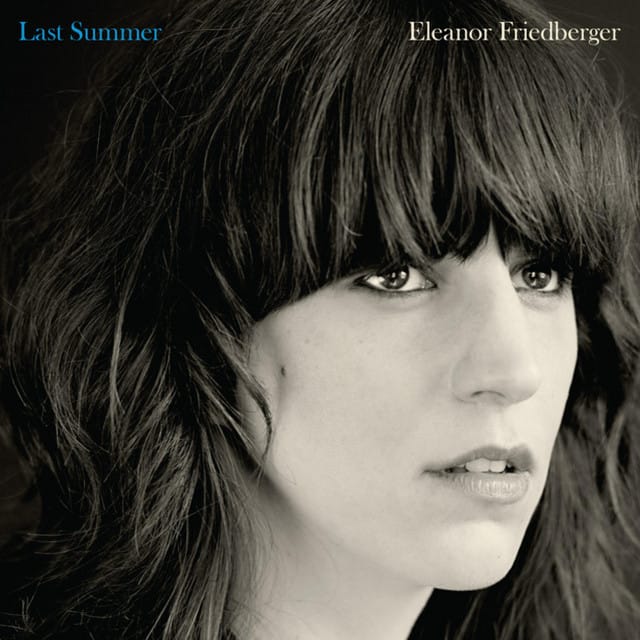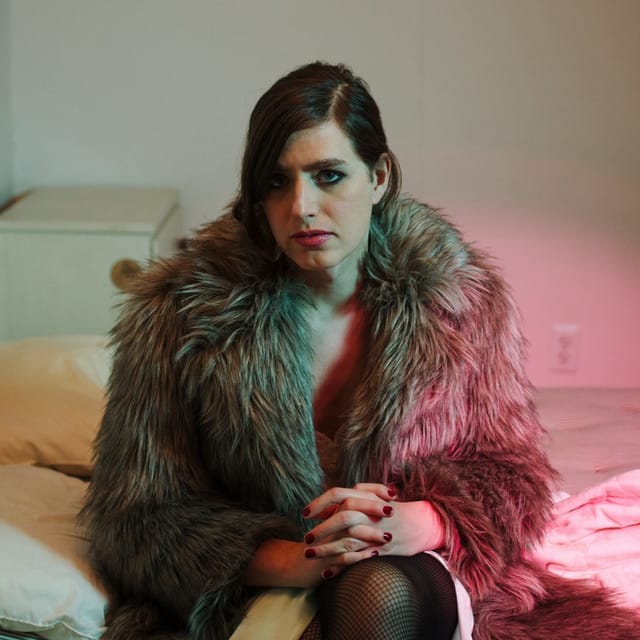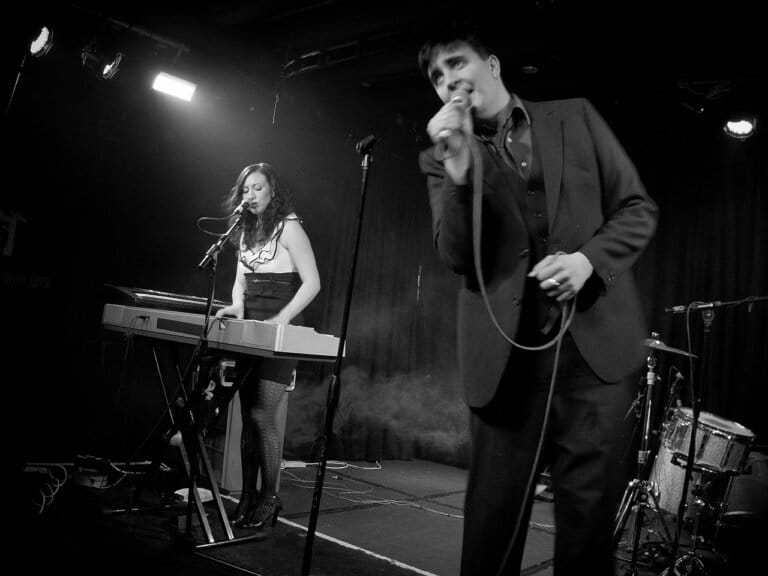

Eleanor Friedberger has carved a singular path through indie rock and thoughtful pop since stepping out from the twin-sibling partnership that defined The Fiery Furnaces. Born and raised in Oak Park, Illinois, her solo work retains the sharp, conversational lyricism and idiosyncratic melodic turns that fans loved in the Furnaces, but it also reveals a quieter, more reflective songwriter who’s moved from familial dramatic vignettes to intimate, geographically attentive storytelling. Her music often feels like a recorded stroll through a city at dusk — attentive to small domestic details, memory’s distortions, and the peculiar rhythms of everyday life.
Sonically, Friedberger draws on an array of influences that keep her sound both retro and contemporary: 1960s and ’70s pop songcraft (think Carole King and early Bob Dylan), classic AM radio’s warm production values, and the jagged art-rock tendencies she explored with The Fiery Furnaces. She’s also shown an affinity for the literate, observational tradition of female singer-songwriters — Patti Smith’s candidness and Joni Mitchell’s melodic intelligence resonate in her work, though she filters these through a distinctly urban Midwest lens. On records like Personal Record and New View, you can hear her marrying precise, melodic hooks with arrangements that favour clarity over maximalism.
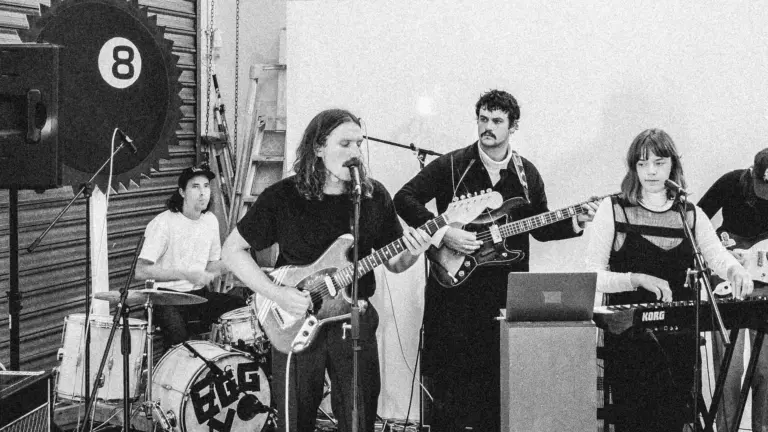
Other musicians have acknowledged the Furnaces’ and Eleanor’s influence in different ways: while The Fiery Furnaces’ baroque eccentricity has been name-checked by experimental indie bands looking to justify off-kilter arrangements, Eleanor’s solo clarity — her ability to temper oddball narrative details with plainspoken choruses — has quietly shaped a generation of lo-fi and indie-pop artists who aim for conversational immediacy. It’s not blockbuster-level citation, but among songwriter circles and college radio DJs, her work is often held up as a model for balancing intellectual curiosity with melodic accessibility.
A few anecdotes illuminate her slightly offbeat public persona. One often-told story from the Furnaces era is about the time the band reportedly performed a choreographed, almost theatrical set that left some festival promoters bewildered — the group never cared much for conventional staging, and Eleanor’s later solo shows kept that streak of unpredictability, though in smaller, more domestic ways. Also notable: she’s spoken candidly about the ways place shapes her writing, recounting how a move to upstate New York and later stints in Brooklyn and Mexico City altered her sonic palette and lyrical concerns — those relocations are audible, as shifting landscapes crept into her songs’ textures and subjects.
Politically and culturally, Friedberger’s music has often been quietly progressive in tone: not overt protest music, but work that centres empathy, personal agency, and small acts of resistance against alienation and commodified experience. The left-leaning listener will find in her songs a refusal of cynicism and a steady curiosity about how people live and remember. She remains one of those singular figures in indie music who didn’t trade originality for easy legibility — and in doing so, has kept a loyal audience that values nuance over spectacle.