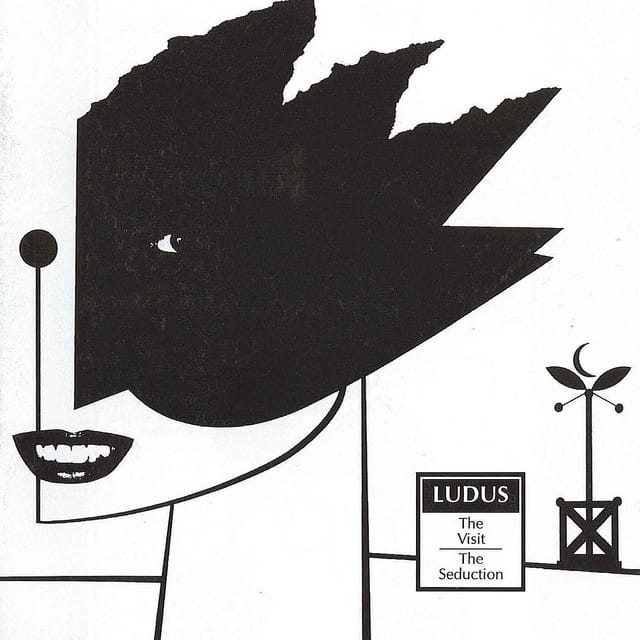

Ludus was an avant-garde post-punk band hailing from Manchester, England, active primarily during the late 1970s and early 1980s. Fronted by the enigmatic Linder Sterling, who was also a renowned visual artist and collage maker, the band carved a niche with their experimental approach to music and performance. Their sound was a complex blend of punk’s raw energy with art rock and avant-garde influences, setting them apart from many of their contemporaries in the Manchester scene, which was then burgeoning with bands like Joy Division and The Fall.
Ludus drew inspiration from a diverse array of sources, including the Velvet Underground’s avant-garde minimalism, the confrontational attitude of punk, and the theatricality of artists like Nico. Linder’s background in visual art heavily influenced the band’s aesthetic and lyrical themes, often exploring feminist and surrealist ideas. This melding of art and music made Ludus a precursor to many alternative and experimental acts that followed, although they never achieved mainstream commercial success.
One of the most famous anecdotes about Ludus involves their intense live performances, which were often unpredictable and confrontational. Linder’s stage presence was magnetic and provocative, sometimes incorporating performance art elements that challenged audience expectations. This approach earned them a cult following but also limited their wider appeal. Their refusal to conform to the commercial pressures of the music industry is often cited as a reason why they remained underground despite their clear influence on the post-punk and indie scenes.
Bands such as The Durutti Column and later artists in the indie and post-punk revival scenes have acknowledged Ludus’s influence, particularly praising their fearless experimentation and Linder’s vocal delivery. The band’s impact is subtle but significant, as they helped expand the boundaries of what punk and post-punk music could be, inspiring a generation of musicians to fuse art and music in innovative ways. Their recordings, though sparse, remain a touchstone for those interested in the intersection of music and visual art.
Ludus’s legacy is perhaps best appreciated through the lens of Manchester’s rich musical history, where they stood as a symbol of artistic integrity and boundary-pushing creativity. While they never achieved the fame of some of their peers, their work has been rediscovered and reassessed over the years, earning them a respected place in the narrative of post-punk music. Their story is a reminder of how underground scenes can incubate groundbreaking ideas that later ripple through the wider musical landscape.