SF0198 Peak Pulp Revisited 30 Years On

Pulp are back in 2025 but their heyday was the 90s when they influenced the artists featured in this episode
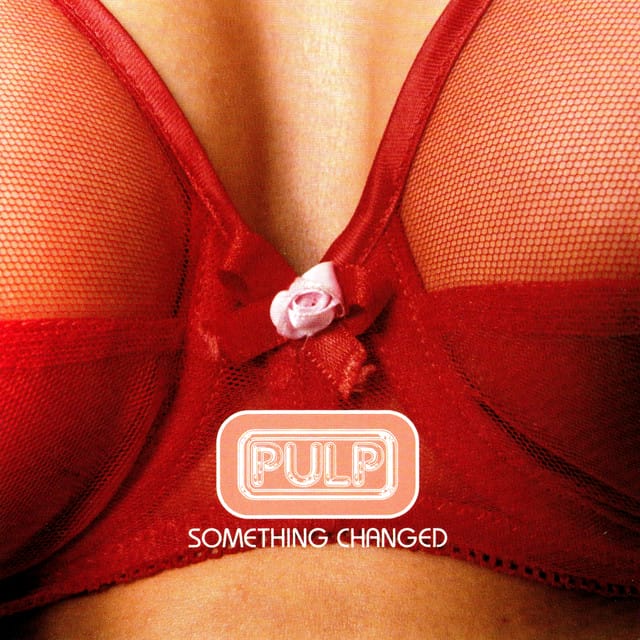
The end-of-year music polls are beginning to emerge for 2025. Two of the earliest arrivals are from Mojo and Uncut magazines, and I was a little surprised to discover they both agreed on their number ones. A new album after 20 years called ‘More’ by Pulp. So this seemed like a good occasion, 30 years after their classic album, to take a look at the group and their influence.
In 1995 in answer to the question ‘Blur or Oasis?’, the correct answer was ‘Pulp’. But before and after that landmark year, they’d had a weird career. A Peel Session as far back as 1981, Jarvis falling out of a window at a party and smashing up his legs, a long fallow period, some promising green shoots of recovery in the early ‘90s, a semi breakthrough with the ‘His’n’Hers’ album, a global profile when the ‘Different Class’ album was augmented by a triumphant headline set at Glastonbury, an existential unravelling in the late ‘90s, one last album in the 21st century, followed by some wilderness years, punctuated by occasional reunion tours.
Then this year a surprise which was hardly a surprise. Another Glastonbury appearance complemented by a critical and commercial hit.
Jarvis never went away though and has remained what we must dub, ‘a national treasure’.
I’ve seen Pulp three times. The first occasion I didn’t intend to see them at all. I’d gone to see Saint Etienne, who were a disappointment, even though on record I continue to love the band. But in 1992 they had a support act who I only really knew by their name. Then this charismatic speccy nerd of a lead singer appeared on stage and it was obvious that his time had arrived.
I then saw them just pre-mega-fame at the Town and Country Club in Kentish Town. That could have been the summit of their achievements. A strong album, ‘His’n’Hers’, with a couple of standout tracks in ‘Babies’ and ‘Do you remember the first time?’ But equally they could have been swamped the next year by the Union Jack flag waving retro-anthems of Oasis and the cockney-geezer nostalgic vibe of Blur.
That didn’t happen and ‘Different Class’ which arrived in 1995 remains a towering achievement. ‘Common People’ is arguably the definitive song of the 1990s, certainly for the English. It’s got the lot. It’s an anthem. It deals with England’s abiding obsession with class. It has an underdog narrative. It’s north versus south. It borrows bits and pieces from the past but is its own thing. And unlike many Pulp songs, it’s infused with what seems to be genuine, rather than arch, outsider outrage.
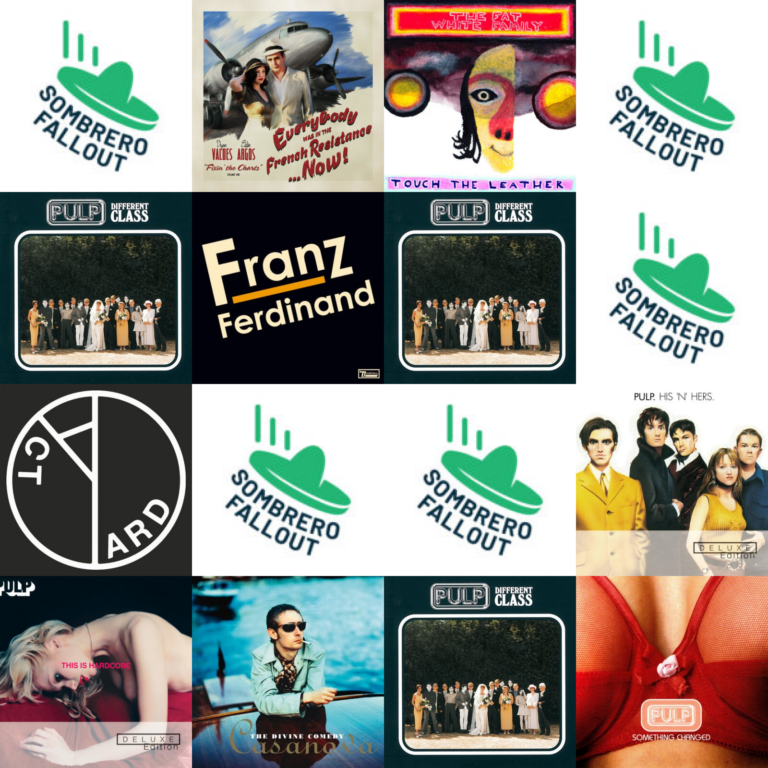
When I assembled this episode I had thought the group were important but not necessarily influential. However, listening with fresh ears to Franz Ferdinand, the Divine Comedy and Arctic Monkeys, it’s obvious how robust is the line of influence. And it’s a legacy which persists. Yard Act, to take one example, owe a major debt to Pulp. Lily Allen, who does not feature in this programme, has just had a top ten album channelling a Pulp vibe. And although The Fall are generally cited as the number one influence on the sprechgesang style of bands ,you could argue that Pulp with their more accessible vibe have been even more influential.
See what you think.
Tracklisting (13 songs)
Mile end
- Band/Artist:
- Pulp
The Dark Of The Matinée
- Band/Artist:
- Franz Ferdinand

Do you remember the first time?
- Band/Artist:
- Pulp
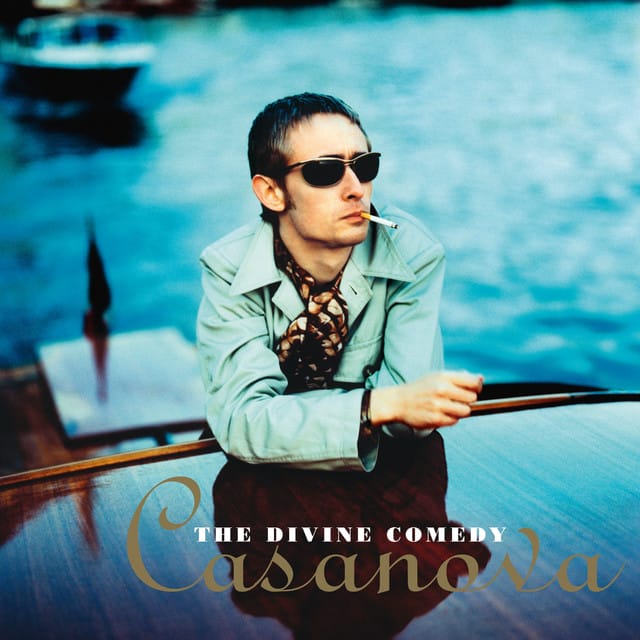
Something for the Weekend
- Band/Artist:
- The Divine Comedy

Live bed show
- Band/Artist:
- Pulp
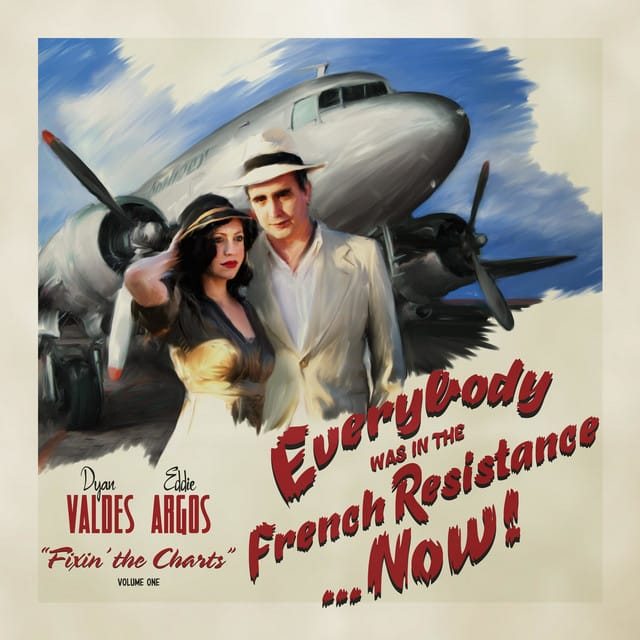
G.I.R.L.F.R.E.N. (You Know I’ve Got A)
- Band/Artist:
- Everybody Was In The French Resistance…Now!
Sorted For E’s & Wizz
- Band/Artist:
- Pulp
100% Endurance
- Band/Artist:
- Yard Act

This is hardcore
- Band/Artist:
- Pulp
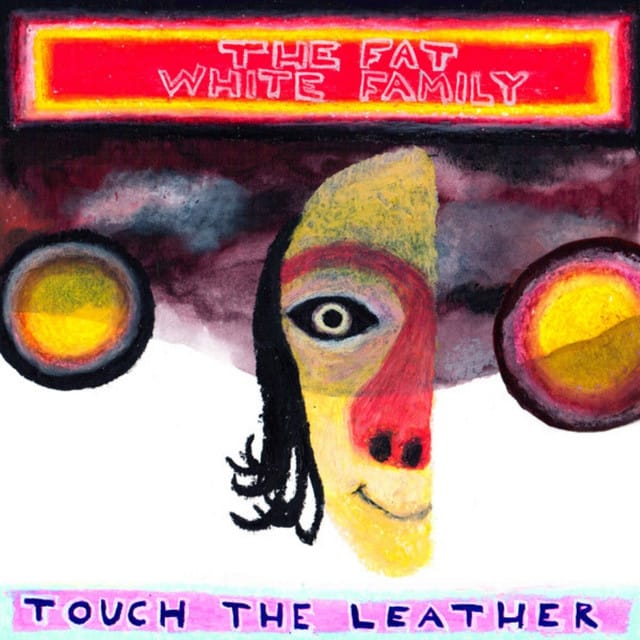
Touch the Leather Redux
- Band/Artist:
- Fat White Family
Common people
- Band/Artist:
- Pulp