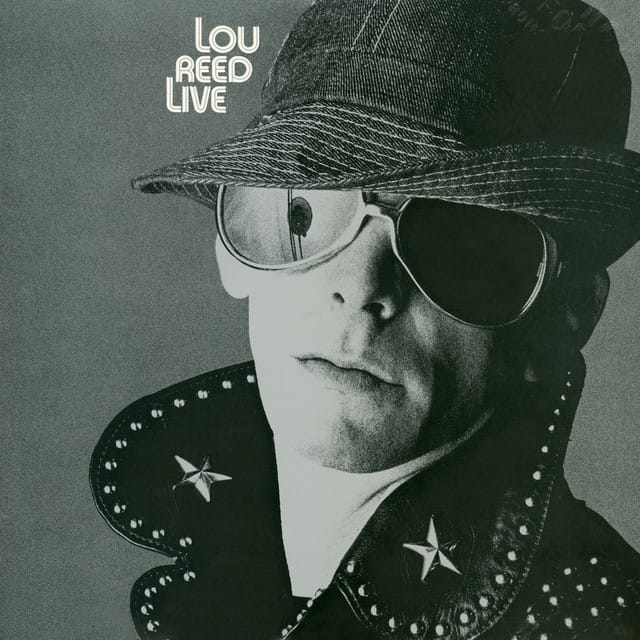
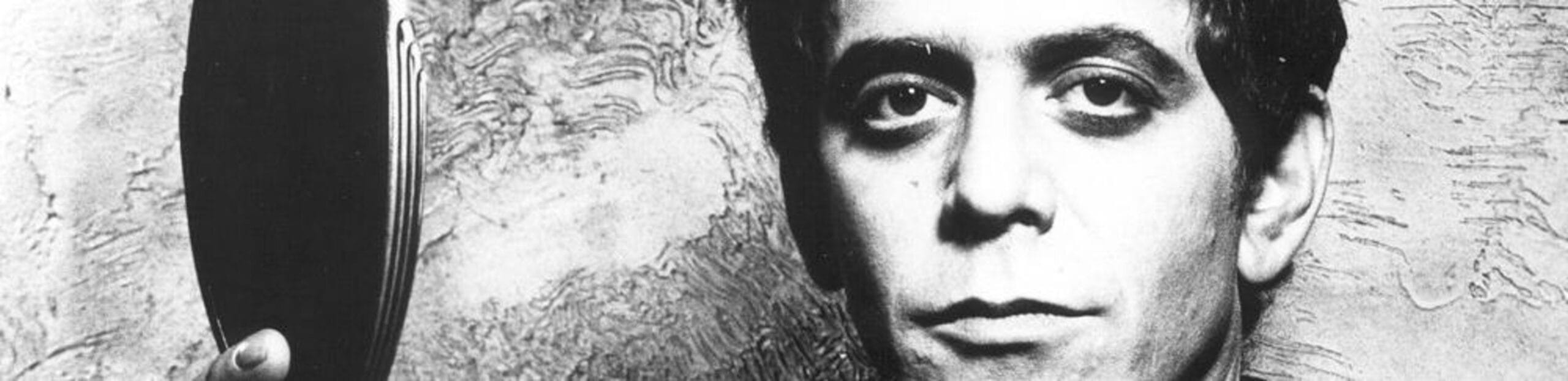
Lou Reed, born in Brooklyn, New York, was a singular figure in the landscape of American rock music, both as a solo artist and as the driving force behind The Velvet Underground. His work is often credited with pioneering the art-rock and proto-punk movements, blending raw urban narratives with avant-garde experimentation. Reed’s songwriting was distinctive for its candid exploration of themes like addiction, sexuality, and the underbelly of city life, which was unusual for the time and gave his music a gritty realism that resonated deeply with listeners seeking authenticity.
Reed’s influences were as eclectic as his music. He drew inspiration from the Beat poets like Allen Ginsberg, whose free-form style and countercultural ethos mirrored Reed’s own approach to lyrics and storytelling. Musically, The Velvet Underground’s sound was shaped by experimental composers such as John Cage and La Monte Young, which they combined with the raw energy of rock and roll. This fusion created a sound that was simultaneously cerebral and visceral, setting the stage for countless alternative and punk bands to follow.
The impact of Lou Reed and The Velvet Underground on subsequent generations of musicians is profound and well-documented. Artists ranging from David Bowie to R.E.M., Sonic Youth to The Strokes, have cited Reed as a key influence. Brian Eno famously remarked that while The Velvet Underground‘s first album sold only a few thousand copies initially, “everyone who bought one of those 30,000 copies started a band.” This speaks volumes about the band’s underground legacy and Reed’s role as a catalyst for musical innovation.
One of the most famous anecdotes about Lou Reed involves the recording of The Velvet Underground’s debut album, produced by Andy Warhol. Warhol insisted that the band’s sound be more accessible, which led to the inclusion of the now-iconic banana cover art and a cleaner production style. Despite this, Reed’s lyrical content remained provocative and unfiltered, capturing the gritty realities of New York’s downtown scene. This juxtaposition of art and raw storytelling helped cement the album’s status as a cult classic.
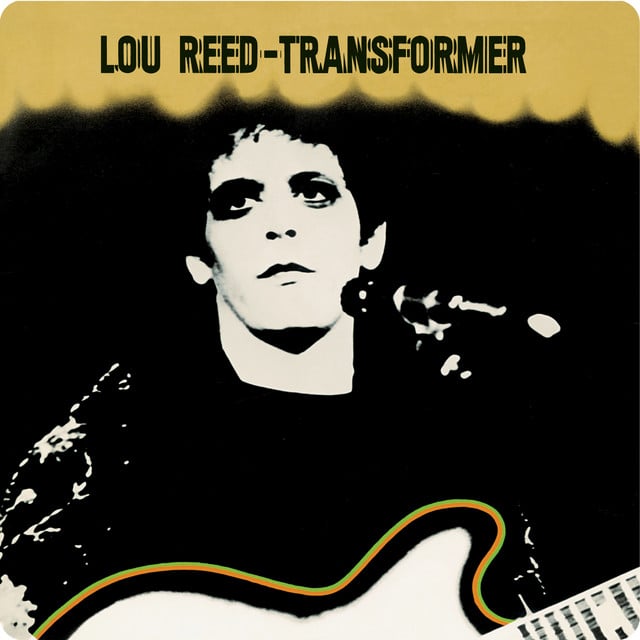
Reed’s solo career also featured notable moments, including his collaboration with John Cale on the album “Songs for Drella,” a tribute to Andy Warhol after his death. His 1972 album “Transformer,” produced by David Bowie and Mick Ronson, brought him mainstream success with tracks like “Walk on the Wild Side,” which remains a landmark in rock music for its candid portrayal of gender fluidity and urban life. Lou Reed’s fearless approach to music and his refusal to conform to commercial expectations made him a true icon of artistic integrity and influence.